Best on Netflix.
Everything you can stream on Netflix today, handpicked by our recommendation engine.
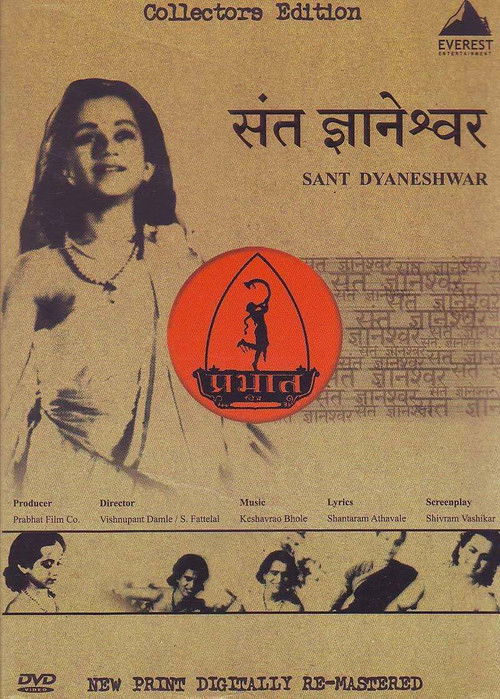
Saint Dnyaneshwar
It's the story of a boy who finds enlightenment by experiencing religious hipocrisy and dogmatism. Dnyaneshwar liberated the "divine knowledge" locked in the Sanskrit language to bring that knowledge into Prakrit (Marathi) and made it available to the common man.

The Rebel
An allegory of contemporary political attitudes presented in terms of differing approaches to the institutionalisation of sexuality: marriage. There are three college friends: the liberal Vijay the conservative Loknath and Jagdish, a careerist. Vijay rescues a damsel in distress and marries her. Later, his son Anand repeats his father's history by rescuing Jagdish's daughter from a bandit and marrying her, resolving the differences between the three friends.


Mera Ladka
Radical journalist Diwakar clashes with his traditional father and a scheming politician, Vithalrao, who seizes his newspaper. Disgusted, Diwakar leaves home. His wealthy girlfriend, Nalini, initially supports Vithalrao but later campaigns for Diwakar, who represents slum-dwellers in an election. Despite her father's support, Nalini urges voters for Diwakar. Nalini wins, but Diwakar's loss is depicted as a moral victory, critiquing middle-class materialism.
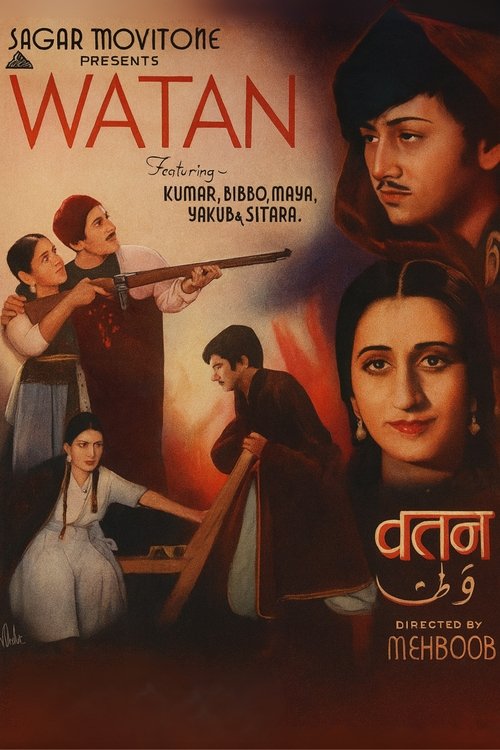
Watan
Ostensibly a Central Asian war fantasy about a conflict between the Cossacks and the Tartars, Mehboob’s film proposes a tale advocating national independence. The Cossacks are oppressed by the despotic Russian king (Siddiqui) and his minister Jabir (Kayamali), who has Tartar blood in him. General Murad (Kumar) covertly sides with the opposition, gets arrested for treason and escapes. He meets the wild Gulnar (Sitara Devi) and gets her to spy as a maid of Princess Nigar (Bibbo). Nigar falls for Murad and Gulnar withdraws from the scene for the sake of her nation. Eventually Nigar, at the head of an army of women, helps defeat the villains.
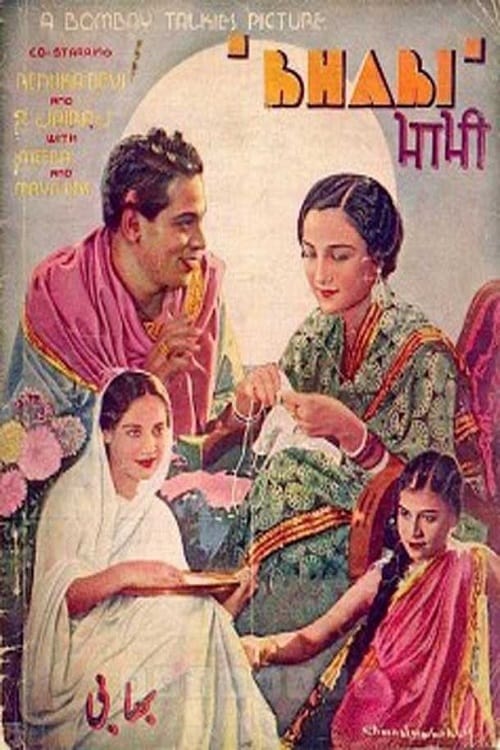


Manmohan
A social woman-centered film interrogating aspects of feudal patriarchy. The painter Ashok (Surendra) who loves the orphaned Vimala (Bibbo) is distressed to learn that she is due to marry Jagdish (Yakub). He paints Vimala's portraits with a frenzied obsession and becomes a famous artist. Paralleling this love story is the decline in Ashok's family fortunes.
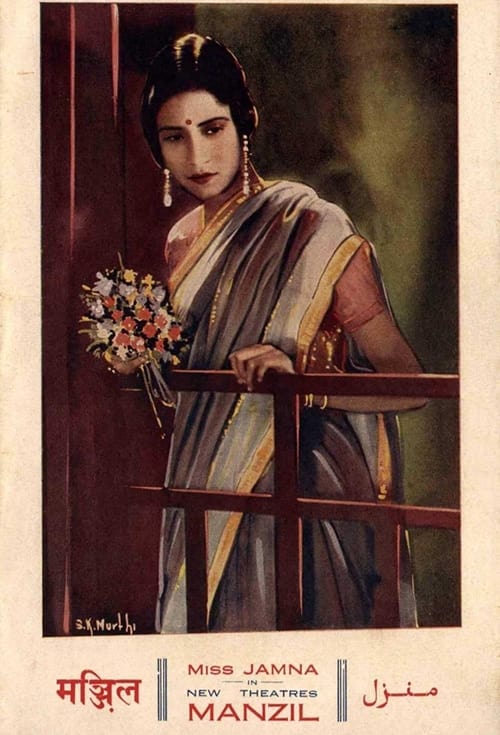
Grihadaha
The poor but educated Mahim and his childhood friend, the rich but conservative Suresh, both fall in love with the same woman, the liberated Achala. Mahim marries her and they move to a village but she cannot forget Suresh. Her smoldering unhappiness takes the form of resentment towards the orphaned Mrinal, raised by Mahim's father, and receives a dramatic visual embodiment when their house burns down. Mahim falls ill, is rescued by Suresh, and nursed back to health by Achala. On a train (a metaphor for the irreversibly linear course of life) to a health resort where Mahim is supposed to convalesce, Suresh on a rainswept night gives in to temptation and elopes with Achala. At the end of the film, there is a dubious reconciliation as Achala is shown following Mahim's 'good' traditionalism with Sharatchandra's barely concealed hostility towards Achala's liberated Brahmo Samaj upbringing.

Hot Blood
An evil minister lures local maidens to an abandoned fort where he uses and then kills them, leaving the villagers panic stricken as they try to unravel the mystery of the disappearances. To their horror they find the dead body of one of the girls and demand that the king do something about it. When the minister places the blame on an innocent young man, a masked avenger appears to help seek the truth behind the killings.
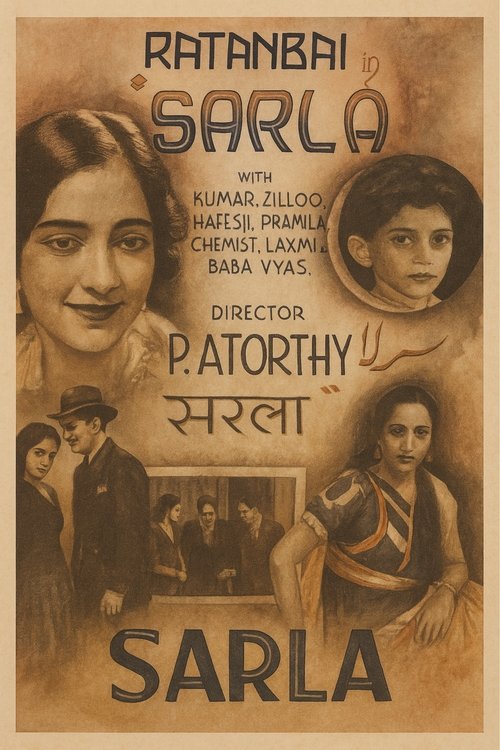
Sarala
Melodrama warning women to be dutifully subordinated wives and not to be tempted by modernising trends towards individual emancipation. 'The orphaned Sarala (Rattan Bai) is estranged from her loving husband Ramdas (Kumar) by the wiles of villain Avilash (Hafizji). She runs away and, following divine intervention in the form of an earthquake, escapes the villain's clutches. Living as a beggar, she finally dies in the arms of her husband begging forgiveness.
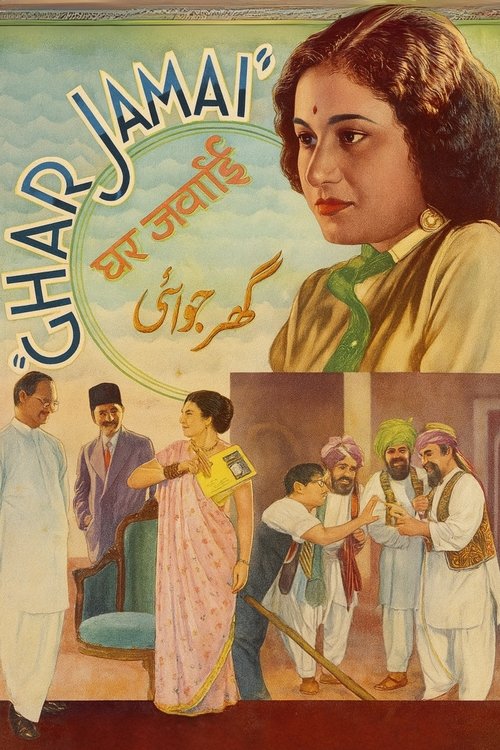
Ghar Jamai
Mafatlal, an unemployed wanderer, is kicked out of his home with a mission: get rich. He chases a "resident son-in-law" ad, plots lawsuits, and even fakes being a station-master, enduring robbery along the way. Ultimately, he's chosen by Heeralaxmi, a woman with "advanced views." The film is packed with quirky women campaigning on bizarre platforms, a comedy subtly exploring male anxieties in the face of female liberation.


Naganand
The tale of Jeemuthavahan, a virtuous Vidyadhar king, who offers himself as a sacrifice to Garuda to save a Naga named Sankhachuda. The story culminates in a dramatic rescue and the resolution of the conflict between Garuda and the Nagas, with happiness eventually prevailing.
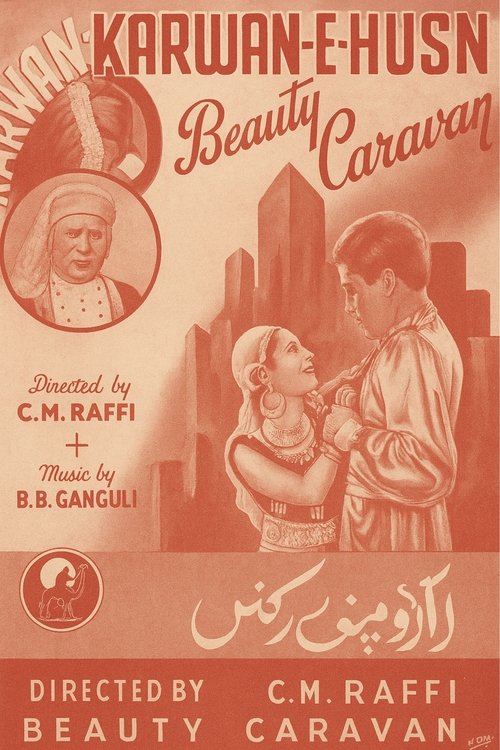
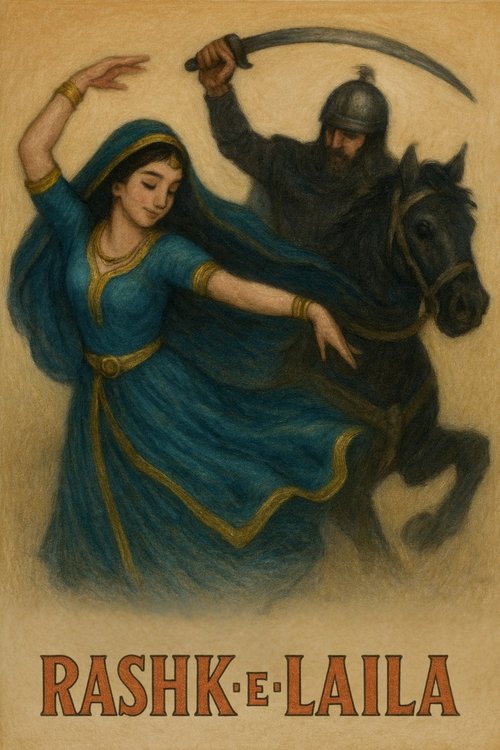
Rashk-e-Laila
One of the best-known films of Mahalakshmi, a sound film studio set up jointly by star Zubeida and director Vakil. The costumed love fantasy derived from the Arabian Nights and tells of Laila (Zubeida), a gypsy dancer who falls in love with the Persian soldier Asghar (Desa). The villain, who lusts after Laila, is Sardar Sagi (Gulab), right-hand man to the grand vizir Uoshi) who has political ambitions of his own.
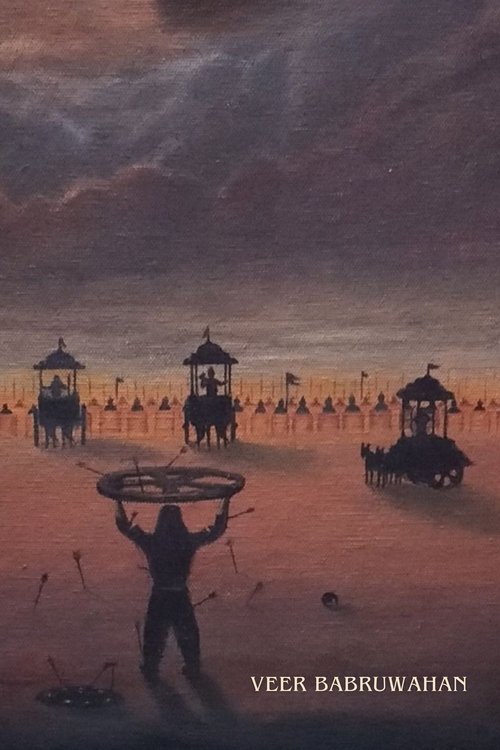
Veer Babruwahan
In this mythological tale, Babruwahan, son of Arjuna, returns from the Mahabharata war. He defiantly stops a horse from his father's army, leading to a battle in which he beheads Arjuna. As he prepares to commit suicide, Krishna appears, instructing him to retrieve the magical Sanjivani Mani from the land of the serpents to revive his father. This quest pits him against Ullupi, the serpent king's daughter and a former wife of Arjuna. When she surrenders the Mani but takes Arjuna's head instead, Krishna is forced to intervene to resolve the situation.


Lal-e-Yaman
Oriental fantasy derived from classic Parsee theatre. The heir to the Yemeni throne, Prince Parviz, is falsely imprisoned by his stepmother who claims power. Parviz receives a magic dagger from a mystic sufi fakir to liberate himself and his people. The dagger makes him invisible. He kills the Apeman and the genii, rescues the captive Princess Parizad and, finally, overwhelms the soldiers sent to recapture him. The king learns the truth and repents.
