🌟 Award-Worthy Movies (349 results)
Clear all filters

Punar Milan
A quarrel at a birthday party ends in a guest’s death, and the son takes the blame to protect his father. Fleeing to the city, he struggles until a street dancer helps him, and the two grow close. A chance encounter between the dancer and the man’s sister sets off events involving love, misunderstandings, and the eventual unveiling of the truth.
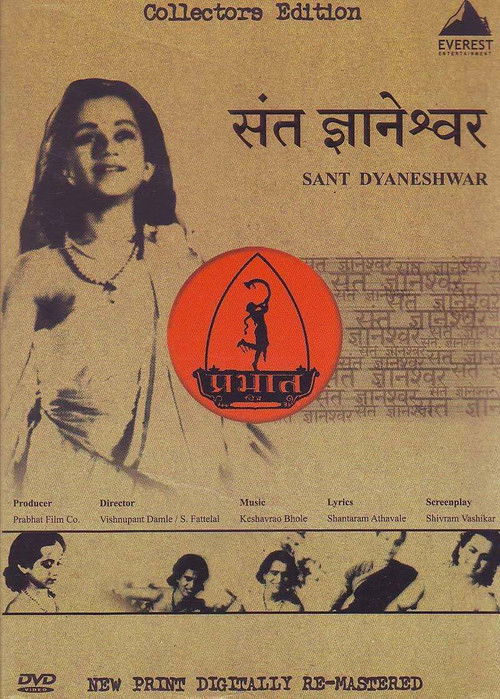
Saint Dnyaneshwar
It's the story of a boy who finds enlightenment by experiencing religious hipocrisy and dogmatism. Dnyaneshwar liberated the "divine knowledge" locked in the Sanskrit language to bring that knowledge into Prakrit (Marathi) and made it available to the common man.

The Rebel
An allegory of contemporary political attitudes presented in terms of differing approaches to the institutionalisation of sexuality: marriage. There are three college friends: the liberal Vijay the conservative Loknath and Jagdish, a careerist. Vijay rescues a damsel in distress and marries her. Later, his son Anand repeats his father's history by rescuing Jagdish's daughter from a bandit and marrying her, resolving the differences between the three friends.


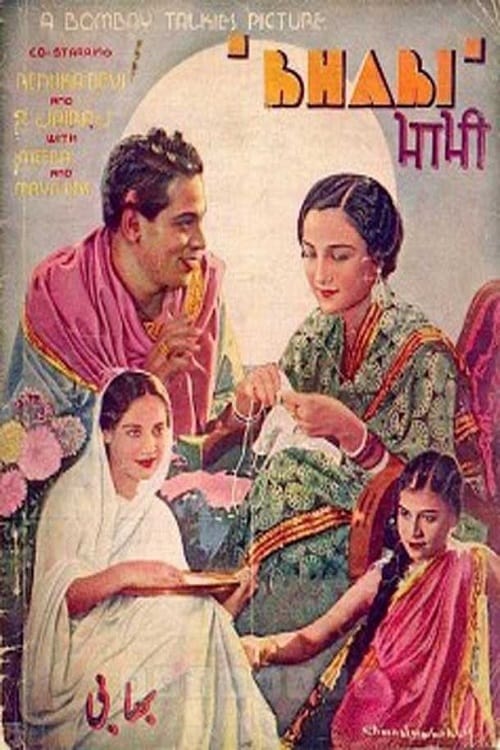
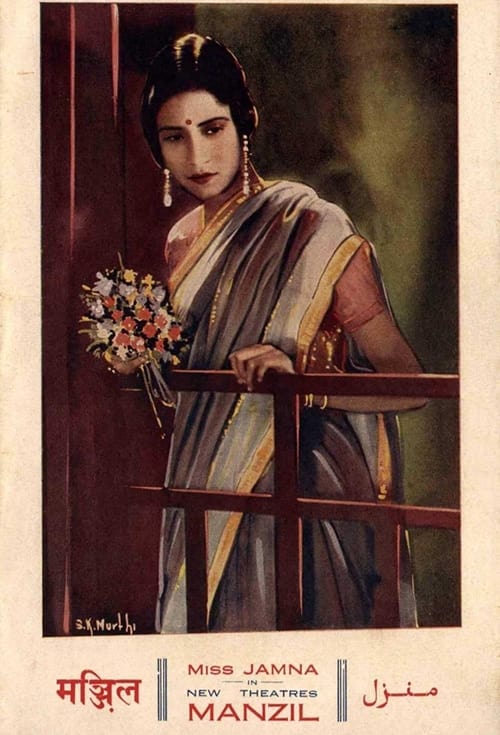
Grihadaha
The poor but educated Mahim and his childhood friend, the rich but conservative Suresh, both fall in love with the same woman, the liberated Achala. Mahim marries her and they move to a village but she cannot forget Suresh. Her smoldering unhappiness takes the form of resentment towards the orphaned Mrinal, raised by Mahim's father, and receives a dramatic visual embodiment when their house burns down. Mahim falls ill, is rescued by Suresh, and nursed back to health by Achala. On a train (a metaphor for the irreversibly linear course of life) to a health resort where Mahim is supposed to convalesce, Suresh on a rainswept night gives in to temptation and elopes with Achala. At the end of the film, there is a dubious reconciliation as Achala is shown following Mahim's 'good' traditionalism with Sharatchandra's barely concealed hostility towards Achala's liberated Brahmo Samaj upbringing.
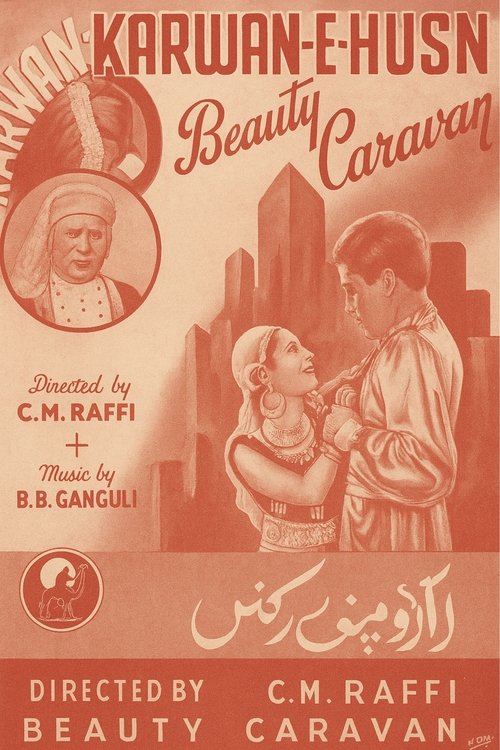
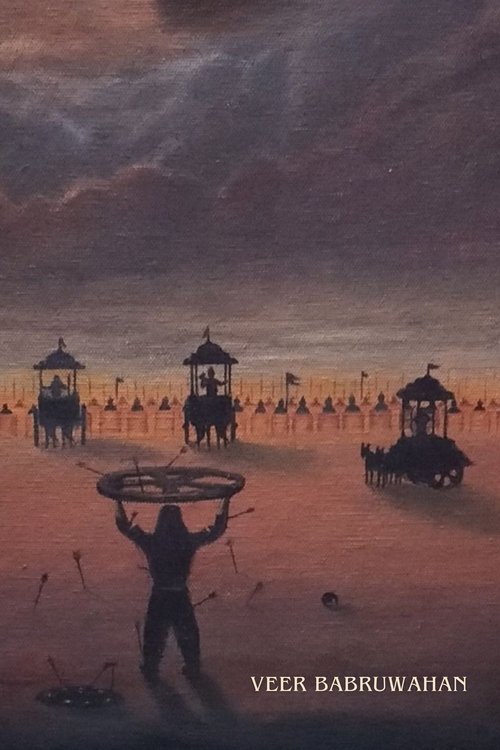
Veer Babruwahan
In this mythological tale, Babruwahan, son of Arjuna, returns from the Mahabharata war. He defiantly stops a horse from his father's army, leading to a battle in which he beheads Arjuna. As he prepares to commit suicide, Krishna appears, instructing him to retrieve the magical Sanjivani Mani from the land of the serpents to revive his father. This quest pits him against Ullupi, the serpent king's daughter and a former wife of Arjuna. When she surrenders the Mani but takes Arjuna's head instead, Krishna is forced to intervene to resolve the situation.
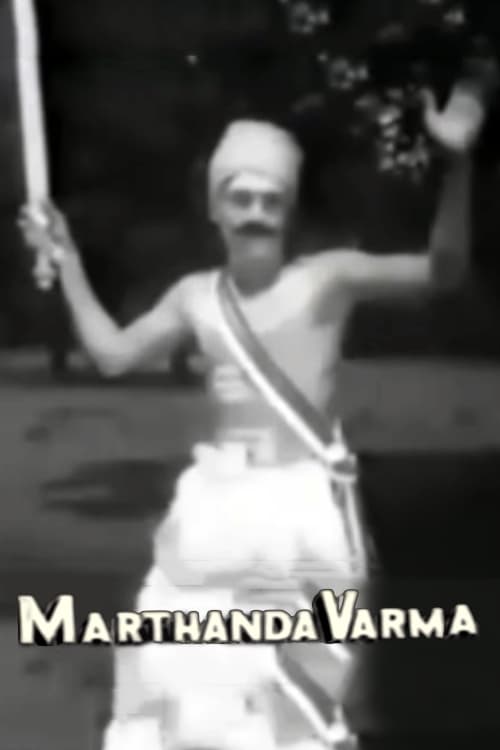

Lal-e-Yaman
Oriental fantasy derived from classic Parsee theatre. The heir to the Yemeni throne, Prince Parviz, is falsely imprisoned by his stepmother who claims power. Parviz receives a magic dagger from a mystic sufi fakir to liberate himself and his people. The dagger makes him invisible. He kills the Apeman and the genii, rescues the captive Princess Parizad and, finally, overwhelms the soldiers sent to recapture him. The king learns the truth and repents.
